
Can I Combine Prayers When Traveling? Rules for Jam' and Qasr
July 22, 2026 · 7 min read
Airports, road trips, long layovers — travel makes it genuinely hard to pray each of the five prayers in its own window. The good news: Islam has a built-in travel concession. Yes, a traveler may combine certain prayers (jam') and shorten the four-unit prayers to two (qasr). This is not a loophole; the Prophet (peace be upon him) did it on his own journeys, and scholars call it "a charity from Allah — so accept His charity."
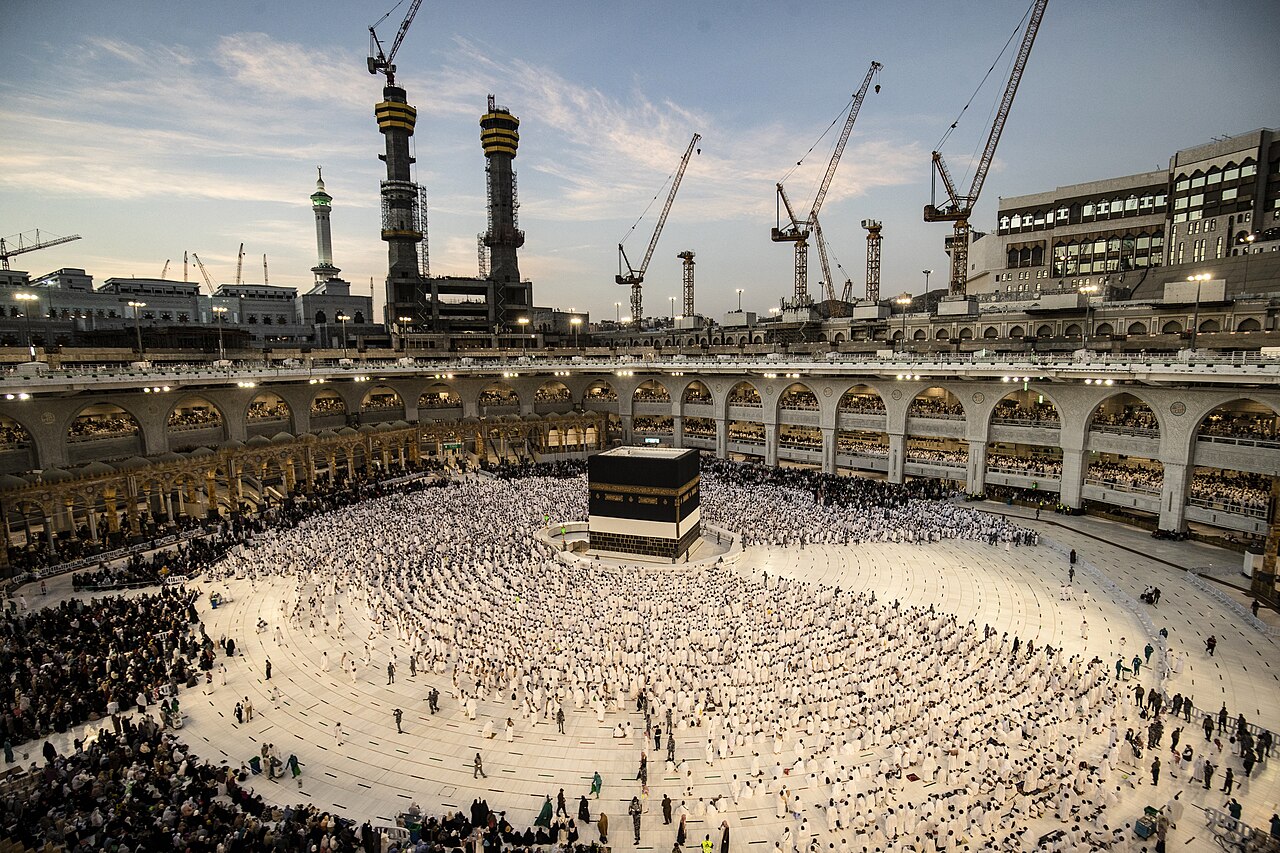
The topic is especially timely this week. On July 20, 2026, Saudi Arabia's Ministry of Hajj and Umrah launched a new one-year, multiple-entry Umrah visa allowing stays of up to 90 days per visit, as reported by The National and the Saudi Press Agency. With Umrah travel becoming easier than ever, more Muslims will be praying in airports, planes, and hotel rooms — so let us get the travel prayer rules clear.
Which prayers can be combined?
Only two pairs can be joined, and only in this order:
- Dhuhr + Asr — prayed together in the time of either one
- Maghrib + Isha — prayed together in the time of either one
Fajr is never combined with anything, and Asr is never joined to Maghrib. Combining at the time of the earlier prayer is called jam' taqdim; delaying the first prayer into the time of the second is jam' ta'khir. Both are valid — choose whichever fits your itinerary.
Shortening (qasr): four units become two
While traveling, the four-rak'ah prayers — Dhuhr, Asr, and Isha — are shortened to two rak'ahs. Fajr stays at two and Maghrib stays at three. Most scholars consider qasr for travelers to be an emphasized sunnah (the Hanafi school treats it as required), so do not feel you are praying "less" — you are following the Prophet's own practice.
What counts as travel?
The majority of scholars set the travel threshold at roughly 48 miles / 80 kilometers from your city. Once you pass your city limits heading to a destination beyond that distance, the concessions apply. They generally continue as long as you are a traveler; if you intend to stay somewhere more than about four days, many scholars say you should resume full prayers (the Hanafi limit is fifteen days). If your situation is complex, ask a local scholar — but for a typical trip, holiday, or Umrah journey, the rules above cover you.
How to combine and shorten, step by step
- Make the intention that you are praying as a traveler.
- Pray Dhuhr as two rak'ahs, say the taslim, then stand and pray Asr as two rak'ahs.
- At night, pray Maghrib as three rak'ahs, then Isha as two.
- The order matters: always the earlier prayer first, and do not separate the two with long gaps.
- You still face the qibla — on the road, our qibla finder works anywhere.
Practical tips for the journey
Check prayer windows for both your departure and arrival cities before you fly — times can shift by hours across time zones. Our prayer times tool covers cities worldwide, so you can plan combinations before you board. And if you are among those taking advantage of the new long-term Umrah visa this year, remember that the concessions end once you settle in one place beyond the travel period — in Makkah itself, most pilgrims on short visits continue to shorten and combine, while those staying longer pray in full.
Travel is tiring, but prayer on a journey does not have to be stressful. The concessions of jam' and qasr exist precisely so the five daily prayers remain easy wherever the road takes you.